
Planning a Home renovation without a proper roadmap is an invitation to chaos, budget overruns, and poor outcomes. A comprehensive home remodel checklist transforms overwhelming projects into manageable steps, ensuring nothing gets overlooked from initial planning through final walkthrough.
Pre-Planning Phase Essential
Proper preparation lays the foundations for renovation before the demolition sets in or the contractors arrive.
Define Your Goals and Vision:
- Identify specific problems you’re solving with renovations
- Determine must-have features versus nice-to-have upgrades
- Research design inspiration through magazines and showrooms
- Create mood boards visualizing your ideal finished space
Homeowners who invest time in detailed planning report 30% higher satisfaction with final results. We Rack Designs’ design consultation services help clarify vision while ensuring realistic expectations align with budget constraints.
Budget Development and Financial Planning
Actual budgeting prevents mid-project financial stress and compromised outcomes. Budget breakdown components:
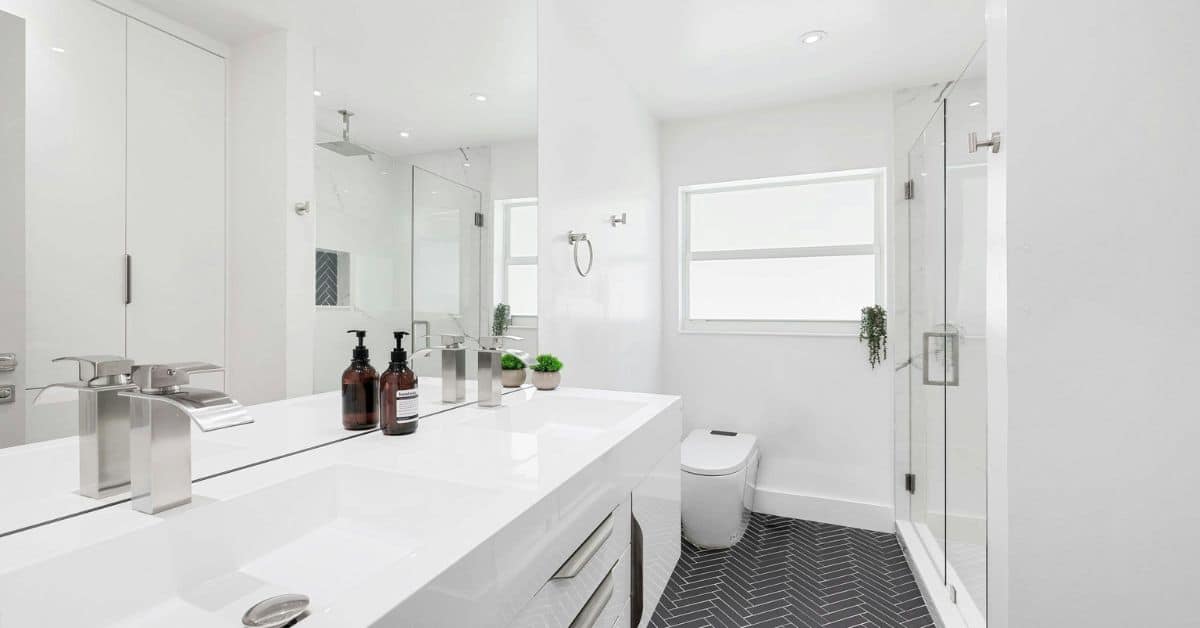
- Materials and fixtures (40-50% of total budget)
- Labor and contractor fees (30-40% of total budget)
- Permits and inspections (5-10% of total budget)
- Contingency fund for unexpected issues (10-20% of total budget)
Allocating at least a 15% contingency for older homes, where hidden problems can emerge during demolition. Our experienced team provides transparent estimates to prevent surprise expenses.
Contractor Selection and Vetting Process
Choosing the right remodeling partner impacts every aspect of your renovation experience. Contractor evaluation criteria:
- Verify licensing, insurance, and bonding status
- Request references from recent similar projects
- Review online reviews across multiple platforms
- Confirm warranty coverage on workmanship
- Ensure a clear communication style matching preferences
Homeowners who thoroughly vet contractors experience 60% fewer project disputes. We Rack Designs brings 20+ years of South Florida remodeling expertise with proven client testimonials demonstrating consistent quality.
Detailed Scope of Work Documentation
Written scope prevents misunderstandings about project deliverables and timelines. Essential scope elements:
- Specific materials, including brands and colors
- Detailed measurements and specifications
- Timeline with milestone completion dates
- Payment schedule tied to completion benchmarks
- Change order procedures and pricing
Clear documentation protects both homeowners and contractors by establishing mutual understanding of expectations throughout the renovation process.
Permit and Code Compliance Verification
Proper permitting ensures safety compliance and protects property value. Unpermitted work can reduce home values by 10-20% and create selling complications.
Typical Permit Requirements:
Structural modifications, including wall removal, electrical system upgrades, plumbing relocations, HVAC system changes, and window replacements. Professional contractors handle permit applications, ensuring all work meets local building codes and passes required inspections.
Material Selection and Product Ordering
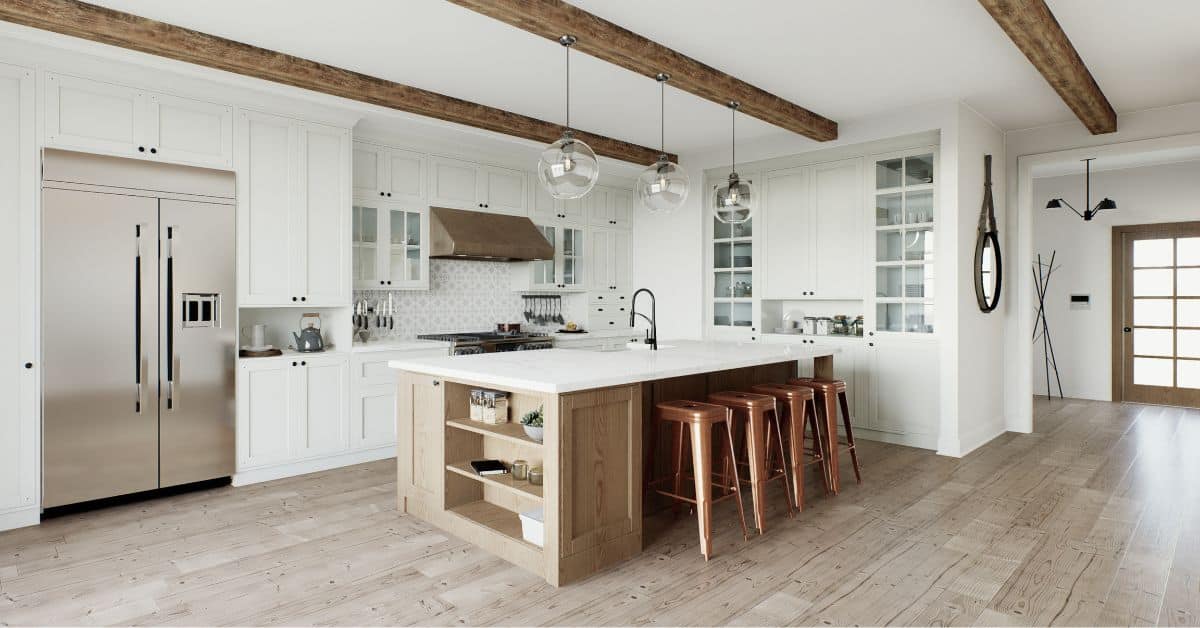
Timely procurement of materials prevents project delays and keeps renovations on schedule. Material selection timeline:
- Cabinetry orders 8-12 weeks before installation
- Custom countertops 6-8 weeks before installation
- Tile and flooring 4-6 weeks before installation
- Fixtures and hardware 3-4 weeks before installation
Our kitchen remodeling services include comprehensive material selection guidance, ensuring products arrive when needed while meeting quality requirements. We maintain strong supplier relationships and expedite special orders.
Project Timeline Development
Realistic scheduling manages expectations and coordinates multiple trades efficiently.
Standard Timeline Phases:
- Design finalization and permit approval (2-4 weeks)
- Demolition and disposal (1-2 weeks)
- Rough construction and framing (1-3 weeks)
- Plumbing and electrical rough-ins (1-2 weeks)
- Drywall installation and finishing (1-2 weeks)
- Cabinetry and countertop installation (1-2 weeks)
- Flooring installation (1 week )
- Fixture installation and final details (1 week)
Most kitchen remodels span 8-12 weeks, while bathroom renovations typically require 4-6 weeks.
Living Arrangement Preparations
Minimizing daily disruption requires planning for temporary accommodations.
Kitchen Renovation Accommodations:
- Set up a temporary cooking station
- Stock disposable plates and utensils
- Plan meal solutions through takeout or meal prep
- Protect adjacent rooms from dust with plastic sheeting
Bathroom Renovation Accommodations:
- Arrange access to alternative bathroom facilities
- Store essential toiletries in portable containers
- Plan shower schedules around construction hours
Quality Control and Progress Monitoring
Regular inspection ensures work meets agreed specifications and quality standards. Monitoring best practices:
- Schedule weekly progress meetings with contractors
- Document work with photos at each phase
- Verify material deliveries match specifications
- Test all systems before final acceptance
- Address concerns immediately
Our custom cabinetry services include quality checkpoints throughout fabrication and installation to ensure precise fit and a flawless finish.
Final Walkthrough and Punch List
Thorough inspection before final payment protects your investment. Walkthrough checklist items:

- All fixtures are operating properly without leaks
- Cabinets and drawers open smoothly
- Countertops are level without gaps or damage
- Flooring installed without defects
- Paint coverage is complete without missed spots
- All debris removed and surfaces cleaned
Create a written punch list documenting needed corrections. Withhold 10% until all punch-list items are satisfactorily completed.
Post-Completion Documentation
Maintain renovation records for warranty claims and future reference. Essential documentation:
- Final paid invoices and receipts
- Warranty information for all products
- Paint colors and product specifications
- Before and after photos
- Contractor contact information
- Permit final inspection certificates
This documentation proves valuable for insurance claims, future modifications, or when selling your property. Ready to start your renovation with professional guidance? Contact We Rack Designs for expert bathroom remodeling and flooring installation services, backed by 20+ years of experience in South Florida.
Frequently Asked Questions About Home Remodel Checklist Planning
What Should Be Included in a Comprehensive Home Remodel Checklist Before Starting?
A complete home remodel checklist includes budget development with a 15-20% contingency, contractor vetting and selection, detailed scope-of-work documentation, permit verification, material selection timeline, project schedule with milestones, living arrangement preparations, and quality control procedures. Additionally, include temporary accommodation plans, payment schedules tied to completion benchmarks, and final walkthrough criteria before making final payments.
How Long Does a Typical Home Remodeling Project Take from Start to Finish?
Timeline varies significantly based on project scope and complexity. Kitchen remodels typically take 8-12 weeks, bathroom renovations 4-6 weeks, and whole-home remodels 3-6 months. Factors affecting the timeline include permit approval duration, material lead times, weather delays for exterior work, and scope changes during construction. Adding a 2-3 week buffer time accounts for unforeseen complications common in remodeling projects.
What Percentage of My Remodeling Budget Should I Allocate for Unexpected Costs?
Experts recommend allocating 10-20% of the total project budget to contingency expenses to cover unexpected issues. Older homes warrant higher percentages (15-20%) due to the increased likelihood of hidden problems, such as outdated wiring, plumbing issues, or structural concerns, discovered during demolition. New construction or recently built homes may require only a 10% contingency. This buffer prevents project delays when unexpected expenses arise and require immediate attention.